Chemistry Course Structure
Comprehensive Learning Path

Sorting Materials into Groups
Learn classification of materials based on properties, composition, and applications in daily life.
Separation of Substances
Master techniques like filtration, distillation, chromatography for separating mixtures.

Acid, Base & Salt
Understand pH scale, indicators, properties and reactions of acids, bases and salts.

Combustion & Flame
Study combustion processes, types of flames, and fuel efficiency in practical applications.
States of Matter
Explore solids, liquids, gases, their properties and interconversion through experiments.
Matter Purity
Learn about pure substances, mixtures, and methods to determine purity of materials.

Metals & Non-Metals
Compare properties, reactivity and applications of metals and non-metals in daily life.
Chemical Reactions
Study chemical equations, types of reactions, and balancing chemical equations.
Carbon & Compounds
Explore carbon's unique properties, allotropes, and importance in organic chemistry.
Physical & Chemical changes happening around Us
Explore the types of changes taking place around us namely Physical changes & Chemical changes.

Natural Resources
Understand chemistry of air, water, soil and their role in environmental sustainability.
Chemistry
Exploring the Building Blocks of Matter
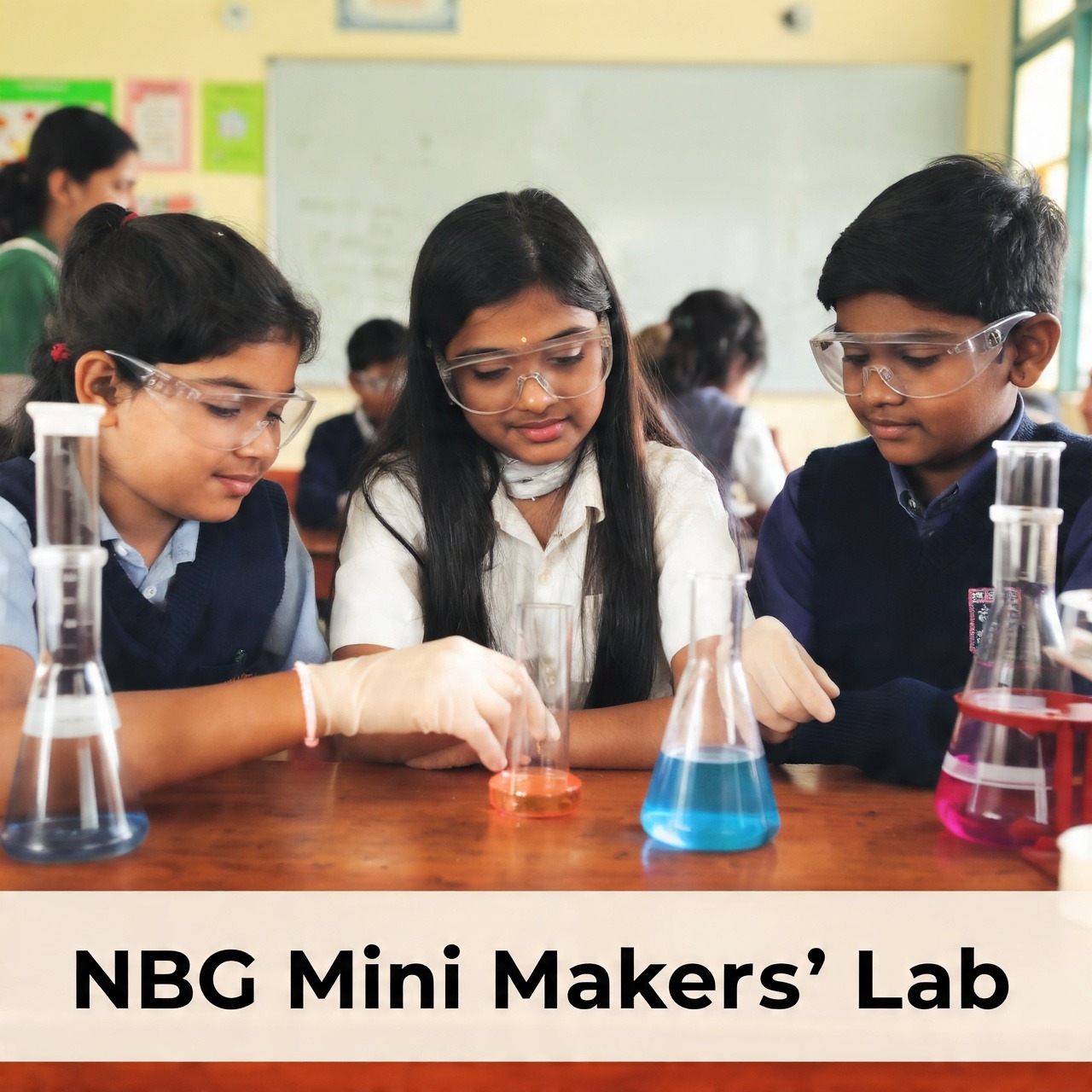
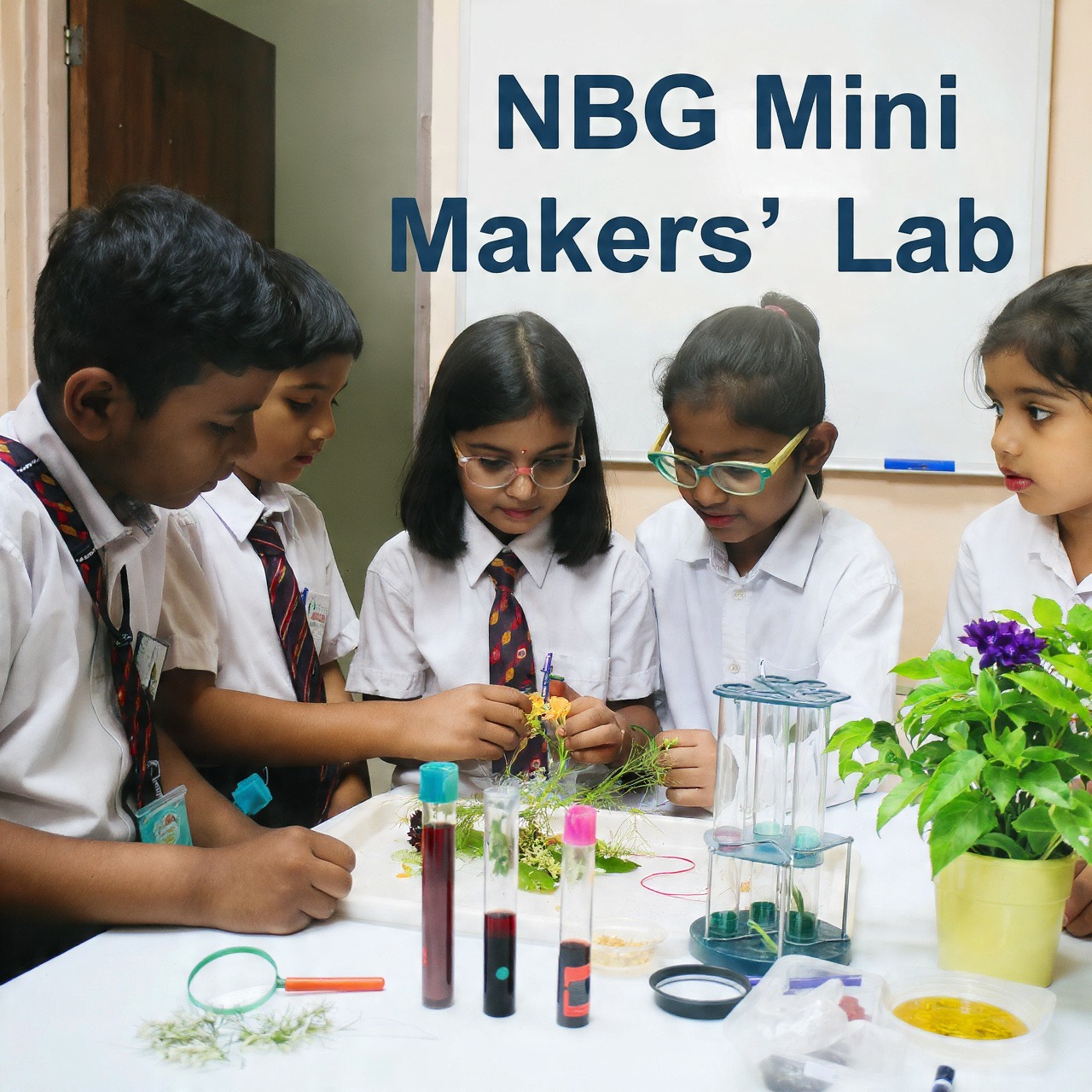
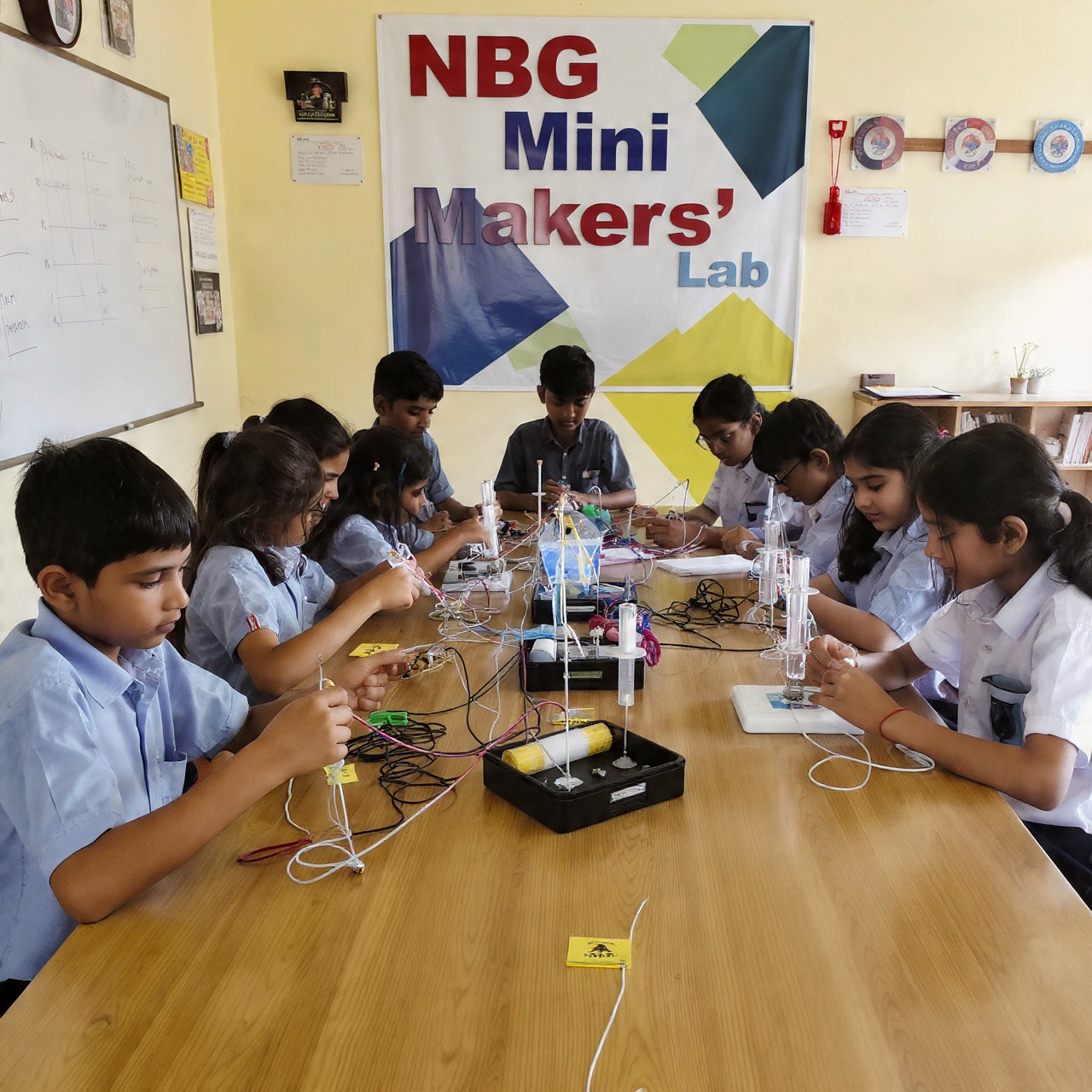
Chemistry is the scientific study of matter, its properties, composition, and the changes it undergoes. At NBG, we make chemistry engaging and accessible through hands-on experiments and real-world applications.
Our curriculum bridges the gap between school learning and practical skills, empowering students to understand chemical principles that shape our world - from the air we breathe to the materials we use daily.
Chemistry in Action
Why Chemistry Matters in Our World
Fundamental Science
Chemistry explains the composition of everything around us, from the air we breathe to the food we eat.
Drives Innovation
New materials, medicines, and technologies all rely on chemical principles and discoveries.
Environmental Solutions
Chemistry helps solve environmental challenges like pollution, climate change, and waste management.

Health & Medicine
Pharmaceuticals, medical diagnostics, and treatments all depend on chemical knowledge.
Energy Solutions
Chemistry enables development of renewable energy sources and efficient energy storage systems.
Chemistry Skills
Analytical Thinking
Laboratory Techniques

Problem Solving
Chemical Safety

Data Analysis
Experimental Design

Observation Skills

Precise Measurement
Chemistry Opportunities

Pharmaceutical Scientist

Environmental Chemist
Chemical Engineer

Forensic Scientist
Materials Scientist

Food Chemist

Quality Control Analyst

Research Scientist
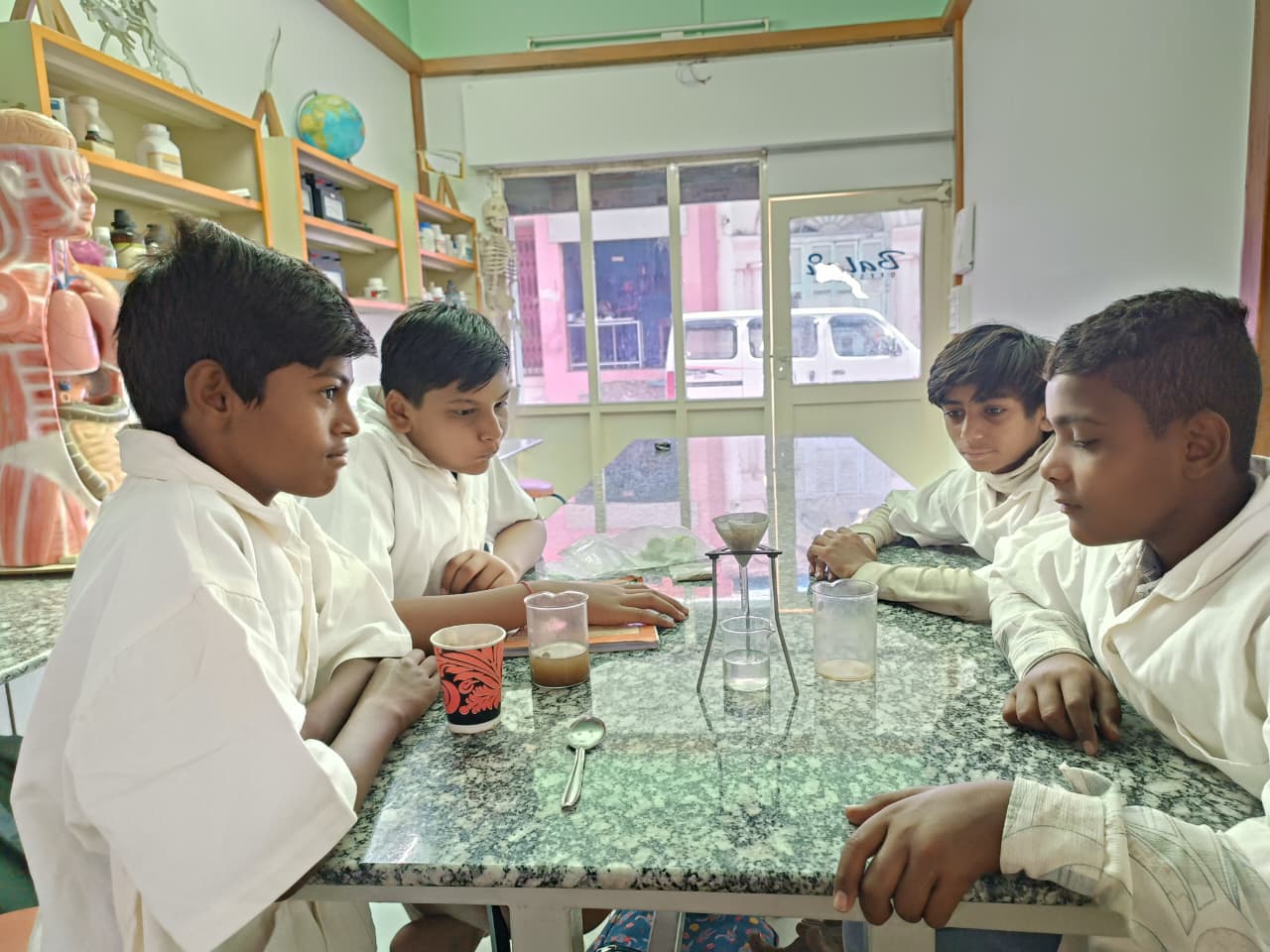
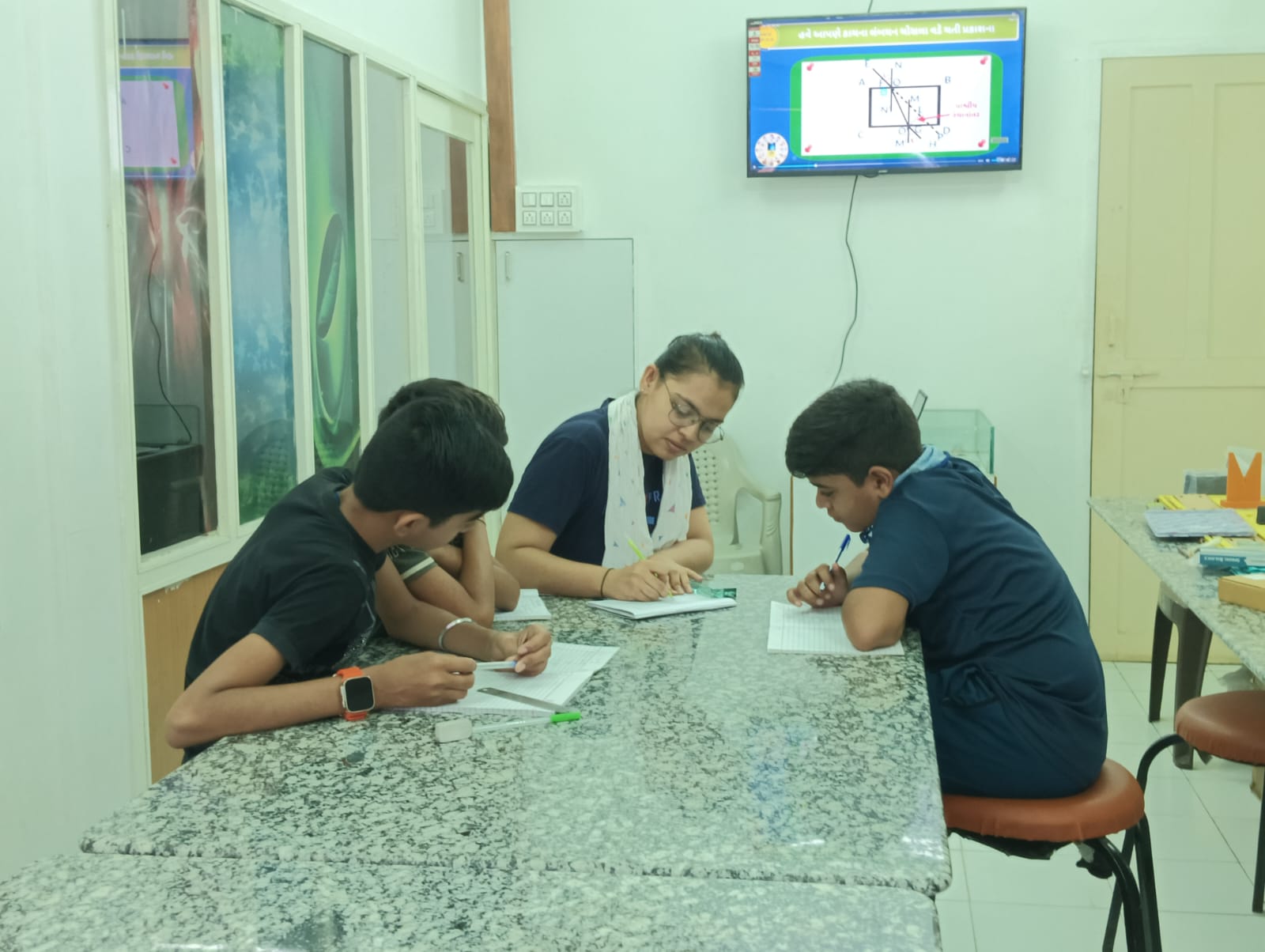
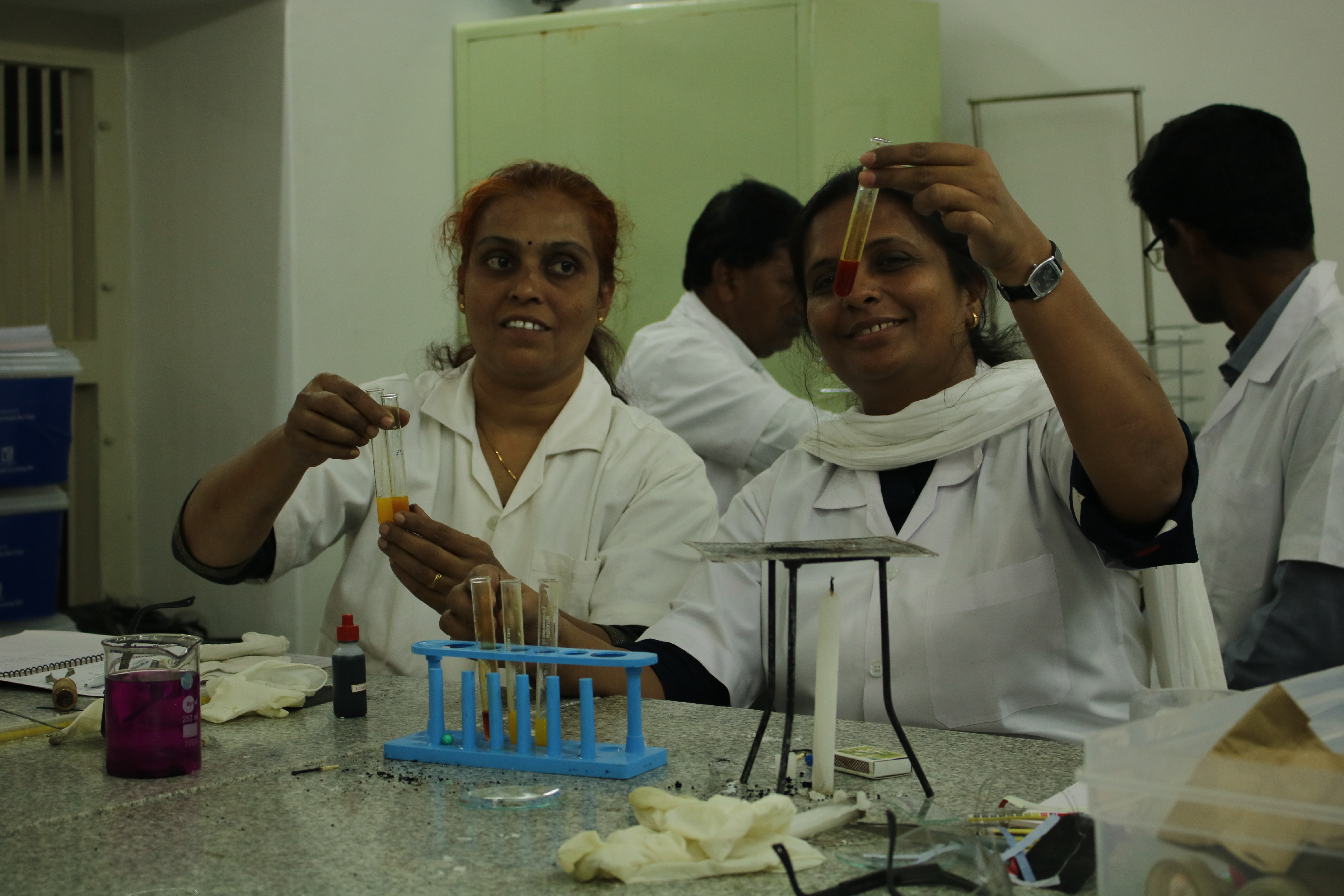
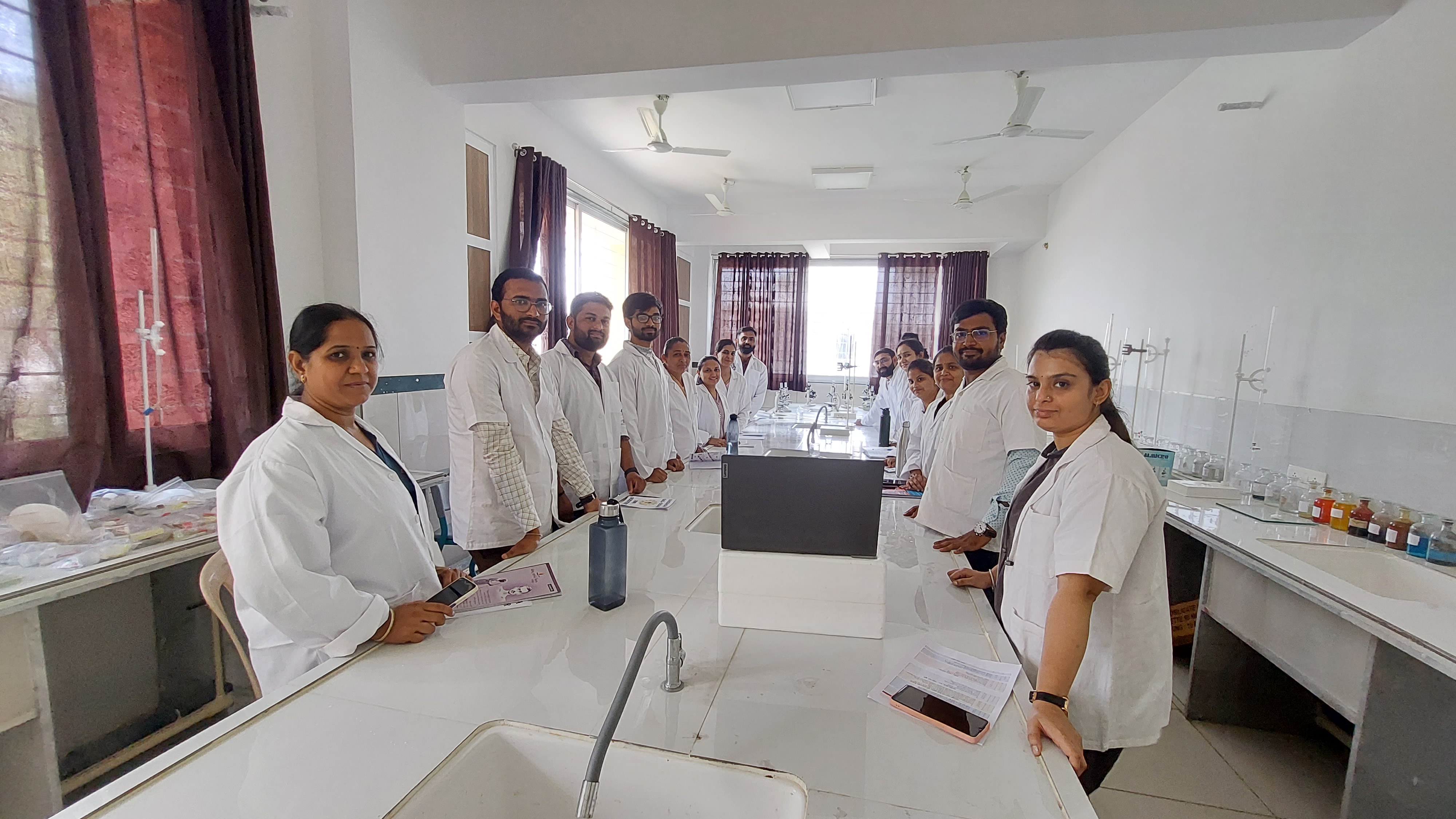
Chemistry Experiments & Projects
Hands-On Learning Experience
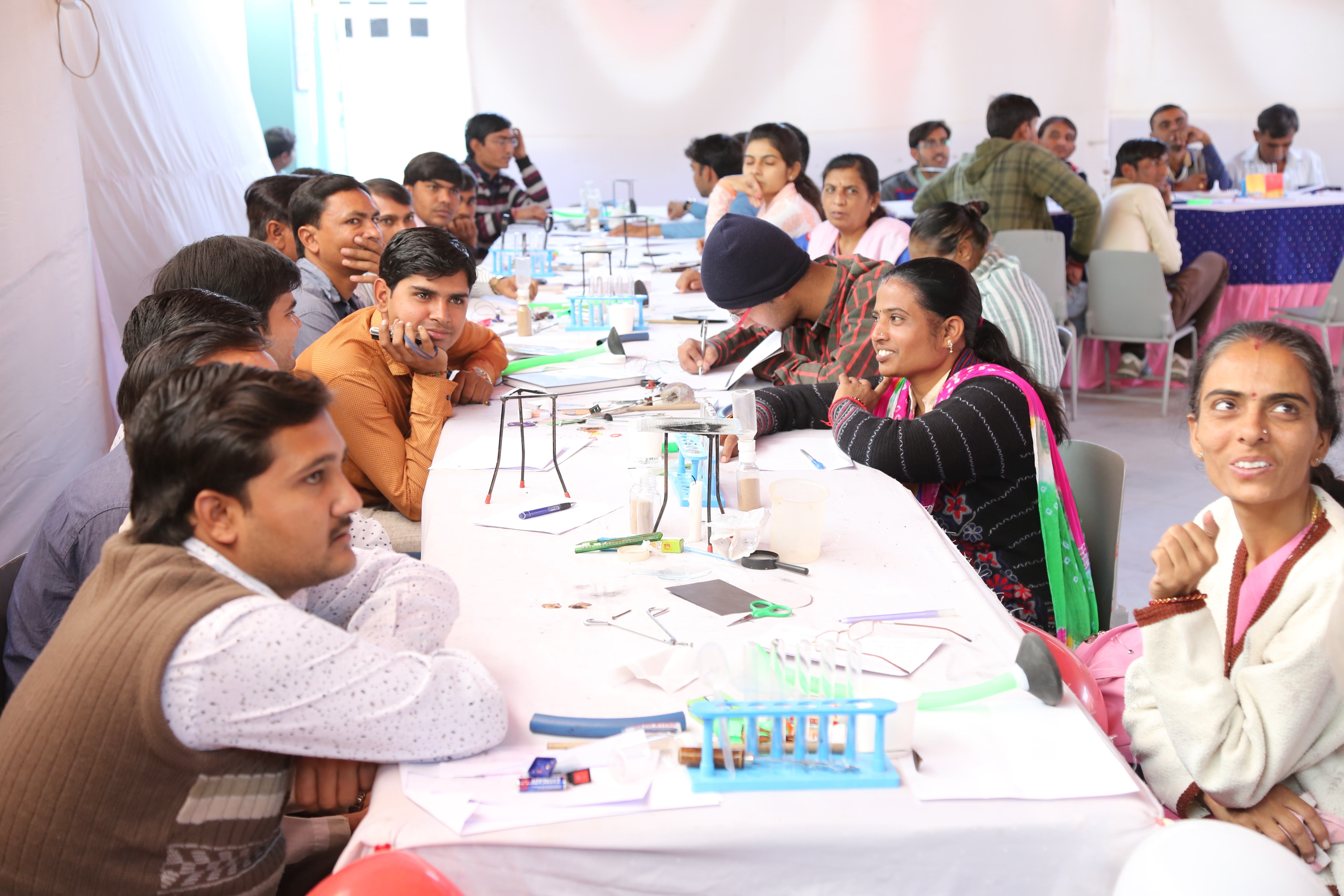
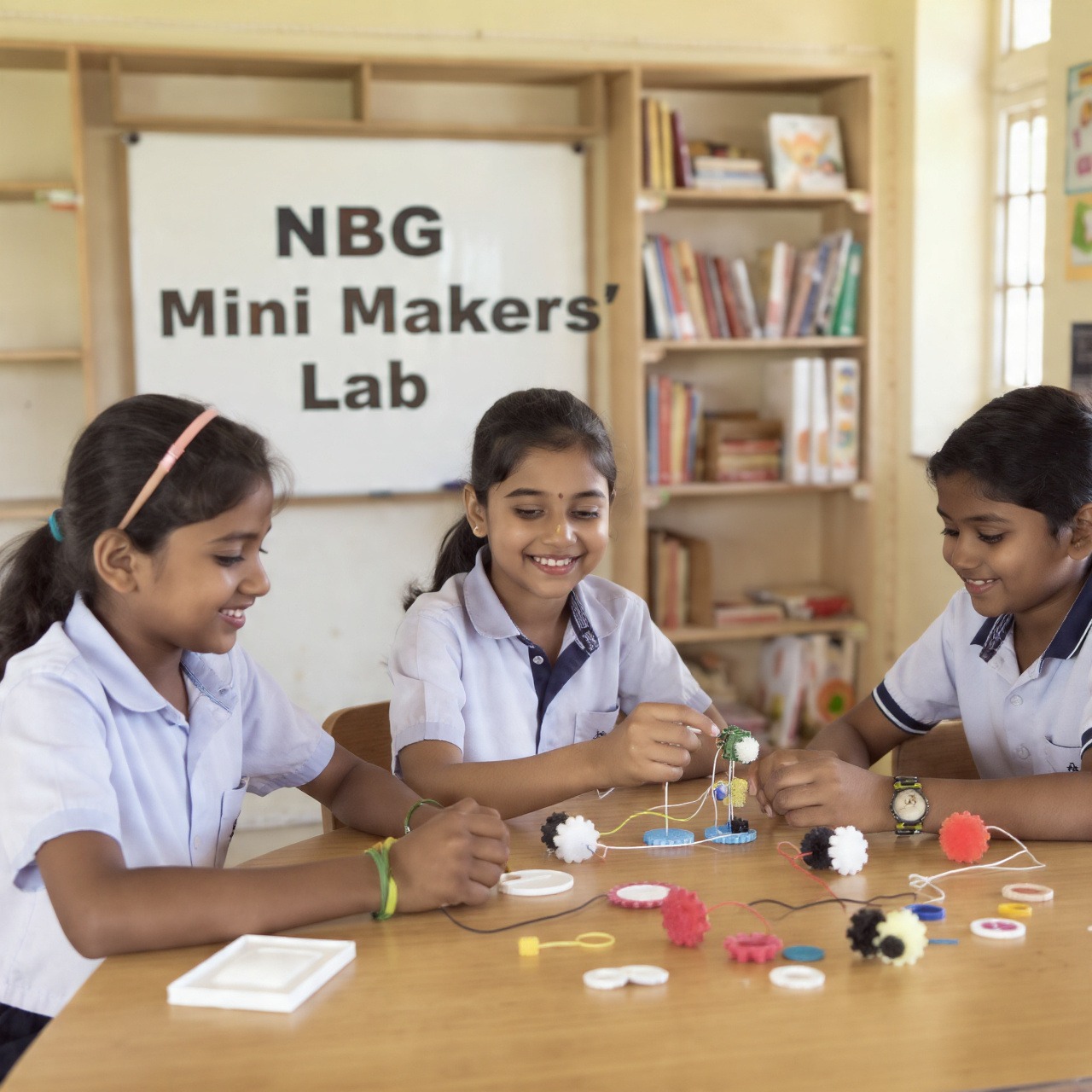
Our students engage in practical chemistry experiments that bring theoretical concepts to life. From testing pH levels to observing chemical reactions, see how our learners explore the fascinating world of chemistry through hands-on activities.